Change or rekey · Stamford Centre
Lock Rekeying in Stamford Centre
One key for the front door, another for the back, a third for the side door into the garage, and a fourth for the shed. You stand on the step every evening flipping through them in the dark, trying each one until something turns.
Lock Rekeying
In plain words
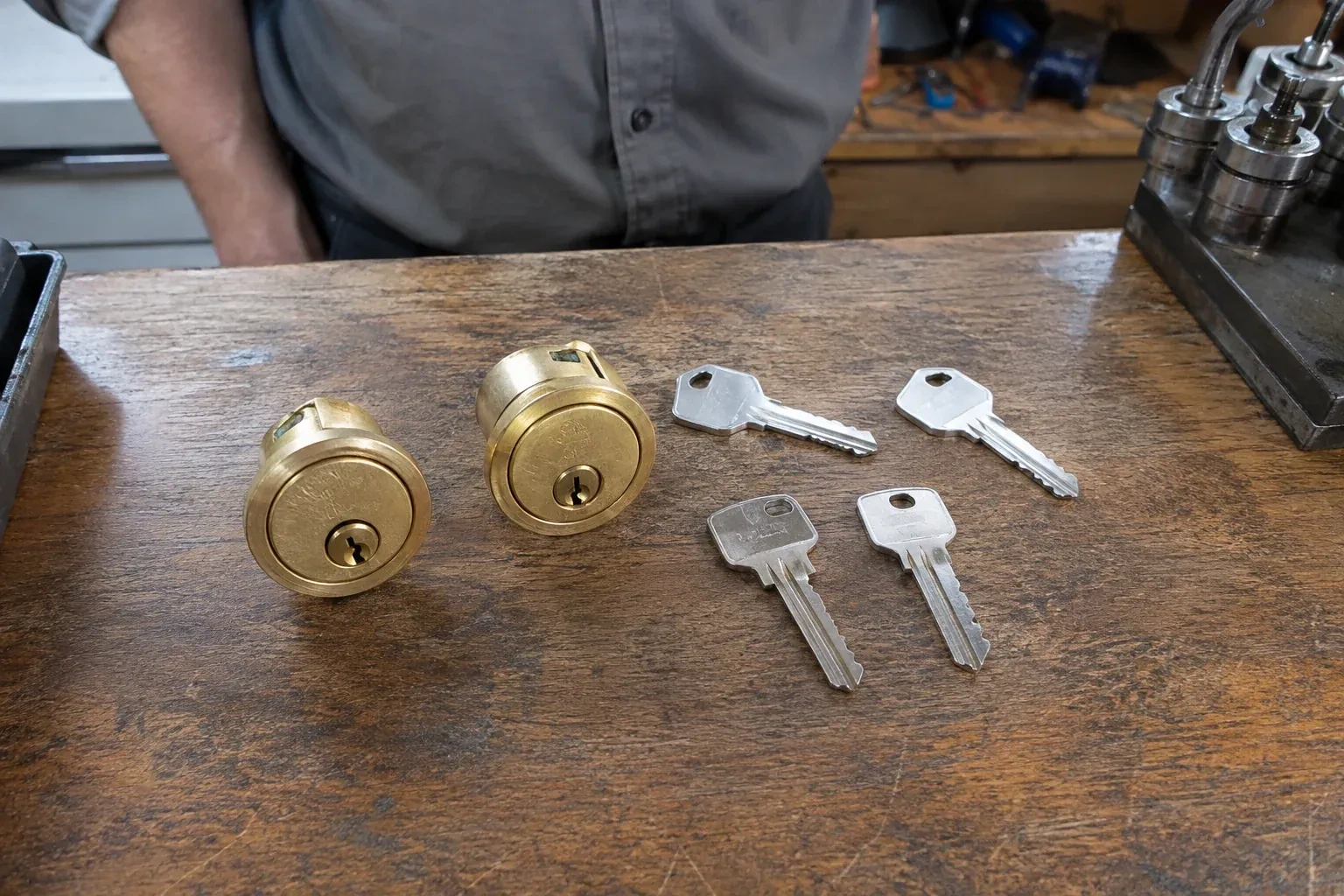
A rekeying visit follows a straightforward order. First the locksmith confirms you are entitled to change the locks, which for an owner is identification and for a tenant includes the landlord's agreement. Next comes a walk around the house to list every door to include, read the keyway on each cylinder and check its condition. The cylinders come out one at a time, are pinned to the new key and go back in. Every door is then tested with the new key and with the old one, spares are cut and tried in each lock, and you receive a note of what was done.
How the visit goesThree months of renovation are finally done. The kitchen looks wonderful, and along the way a general contractor, a tile installer, a plumber and an electrician each carried a key to your front door at one point or another.
Stamford Centre
How the visit goes
Who is entitled to change the locks
Rekeying decides who can enter a home, so the first check is about the person asking. A homeowner shows photo identification and something tying them to the property, such as a tax bill, a closing document or a utility statement. A property manager brings authorization from the owner. A tenant is asked whether the landlord has agreed to the change and will receive a copy of the new key, because tenancy rules here expect both sides to hold one. Where a unit is in a condominium, the locksmith asks whether the building has a rule about suite-door locks. None of this is an obstacle; it is the part of the job that protects the home being worked on.
Reassembly and the shear-line test
On a pin-tumbler cylinder, the plug goes back into the housing with the new key in it, pushing the follower out ahead of it, and the cam or tailpiece is refitted with its retainer. Before the cylinder goes anywhere near the door, the locksmith turns the new key and checks that the plug rotates freely with no catch, then removes the key and confirms the plug is locked solid. A pin a fraction too long or too short shows up here as a rough turn and is corrected on the bench. Only a cylinder that passes goes back into its lock, where it is tested again with the door open and then closed.
For landlords: the tenant's copies and the paperwork
After a rental unit is rekeyed, the incoming tenant receives their keys, the landlord keeps a copy as the tenancy rules expect, and the number issued is written on the move-in record so the count at move-out is easy to check. The former tenant's keys are retired. Where a building has several suites, the locksmith can keep each on its own key while the shared entry stays on a common one, and the note of which key belongs to which door becomes the start of a keying chart. That chart is what makes the next turnover a matter of one cylinder rather than a guessing game about who has what.
Lock Rekeying
In the van
- Plug follower
- Reset tool for user-rekeyable cylinders
- Dry graphite or PTFE lubricant
- Key gauge
- Cylinder shim
What affects the quote
Same fees day, night or weekend
1Restricted or high-security cylinders
Patented keyways use controlled blanks and pins that cost more than standard ones, and their keys are produced from a controlled record instead of being copied, so a system of that kind is quoted differently from builder-grade hardware.
2Access to each door being rekeyed
A rekeying visit goes smoothly when every door is reachable without delay: an empty unit, a cleared hallway, or someone available to let the locksmith into each room. Locked common areas, tenants who are out, or furniture blocking a cylinder all add time the locksmith accounts for on site.
3No working key for a door
When a cylinder must be shimmed, decoded or picked open before it can be repinned because no key exists for it, that extra step is included in the quote for that door.
Lock Rekeying: questions
How often should locks be rekeyed?
There is no calendar for it. What matters is who holds a key, not how many years have passed. Think about it when occupancy changes hands, when someone who had a key no longer needs one, or when a ring goes missing along with something that shows where you live. Between those moments a well-kept cylinder may need no scheduled care, and when it does, use whatever that cylinder's maker specifies. With the doors already on one recorded system, any repeat is a short piece of work.
What happens to my old keys?
They become ordinary pieces of brass. Once the cylinders are pinned to the new combination, the old keys turn nothing on your property, so there is no security reason to keep or hide them. Hand them to the locksmith for disposal or drop them in the metal recycling. If a former roommate or contractor still has one, it no longer matters, which is the whole reason for the visit. Keep only the new set, counted and tagged.
What should I have ready before the locksmith arrives?
A list of the doors you want included, a working key for each lock if you have one, and a clear idea of whether you want everything on one key or some doors kept separate. Have your identification and something tying you to the address handy. If you rent, have your landlord's agreement ready to mention. Knowing roughly how many new keys the household needs saves a second trip to cut more.
Change or Rekey Locks
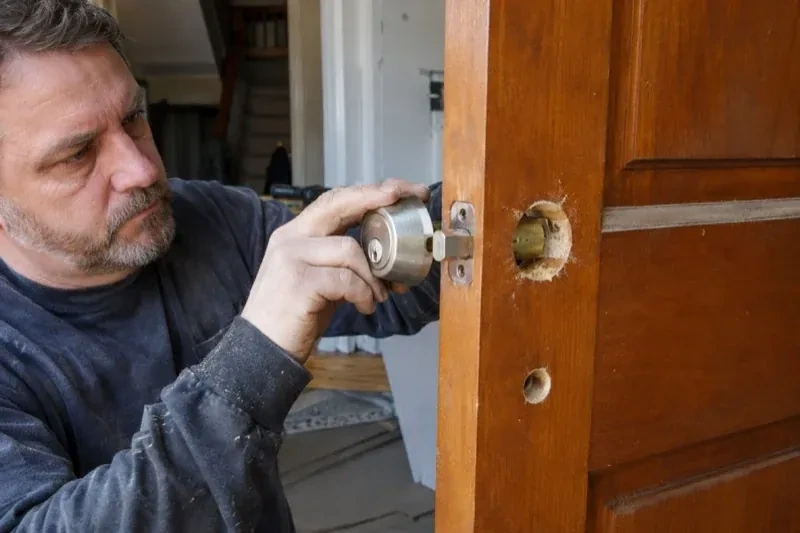
- Lock Replacement & UpgradeSomeone tried the back door while you were away.
- Vintage Mortise Lock ServiceThe key turns freely in the round cylinder on the door, all the way around and back, without the…
- Smart Lock InstallationArthritis has made the small house key hard to grip and turn, especially with gloves on in January.
Lock Rekeying near you
The services below cover most of what a door in Stamford Centre can throw at you. Some are urgent, like a lockout or a snapped key. Others are planned, like upgrading to a high-security cylinder or setting up a master key system for a small building. Each one is explained in plain terms so you know what to expect.