Change or rekey · Lundy's Lane
Gate & Building Entry Locks in Lundy's Lane
A neighbour mentions, in passing, that the key from three tenants ago still lets him into the building's front door. Nobody changed it after he moved out, and now the property manager wants to know exactly how many keys are still floating around out there.
Gate & Building Entry Locks
In plain words
Gate & Building Entry Locks brings a property's outdoor gate hardware and its shared entrance into one visit, rather than treating the latch and the door's physical fit as separate problems. The locksmith reads how the gate or door actually moves, matches that to a lock built for outdoor use, and adjusts the closer and strike so the two agree. Where more than one household or unit relies on the same entry, the keying is planned around everyone who needs a working key, not just the person who placed the call.
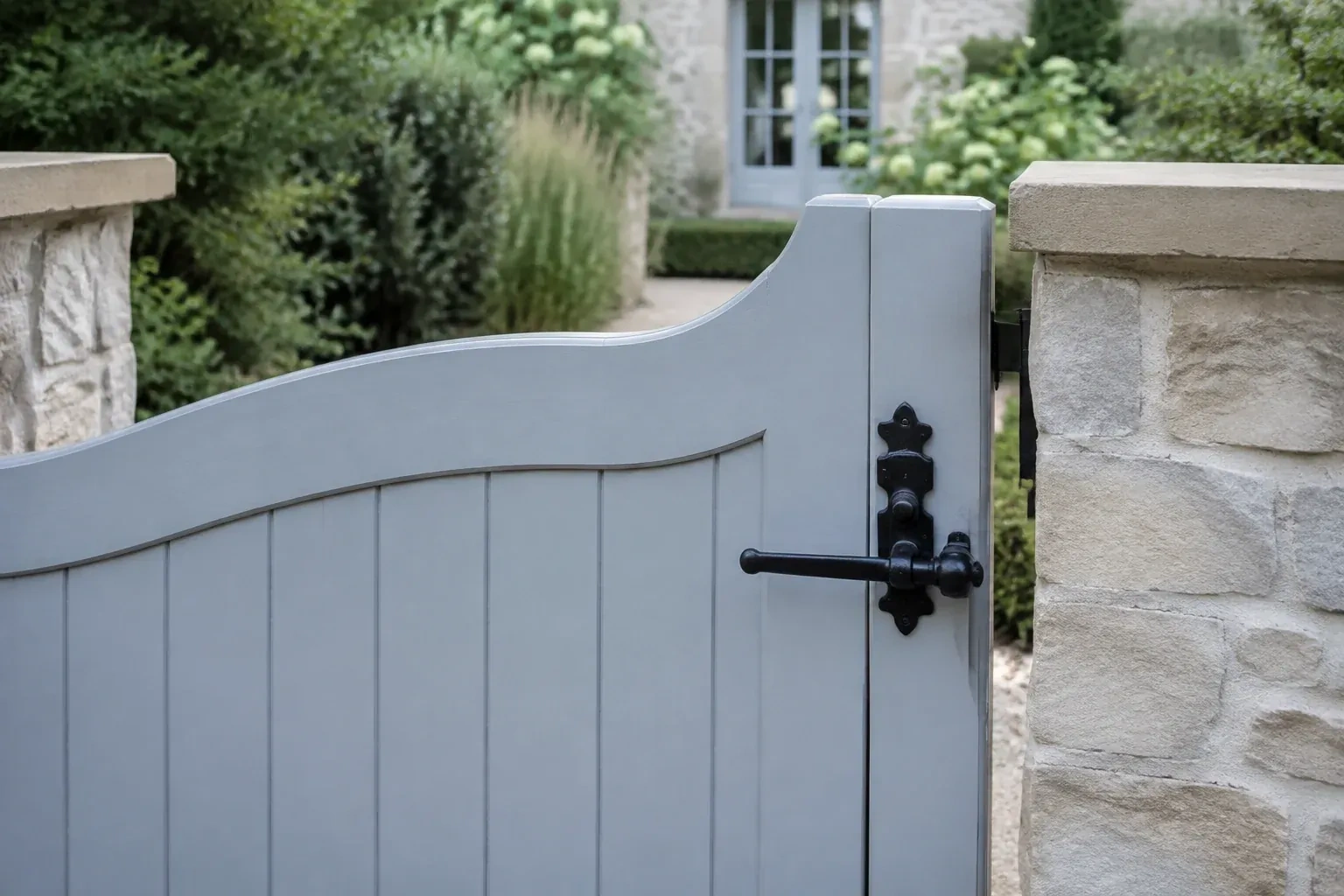
How the visit goesThe gate to the side yard used to close with a satisfying click. After a winter of frost heaving the fence post, the latch now sits a full inch below where the strike is waiting for it, and the gate swings free no matter how hard it is pulled shut.
Lundy's Lane
How the visit goes
Weather exposure and corrosion
A gate lock lives outside in every season, so the assessment looks specifically for what weather has already done to it: pitting on the cylinder face, a stiff plug that hints at rust inside, green corrosion around a padlock shackle, or a closer that has started to weep hydraulic fluid. Ground-level hardware near a driveway or walkway gets checked especially closely, since de-icing salt collects there over winter. What this turns up decides whether the existing hardware can be cleaned and lubricated or whether weather has already gone past what maintenance alone can address.
Working on the cylinder itself
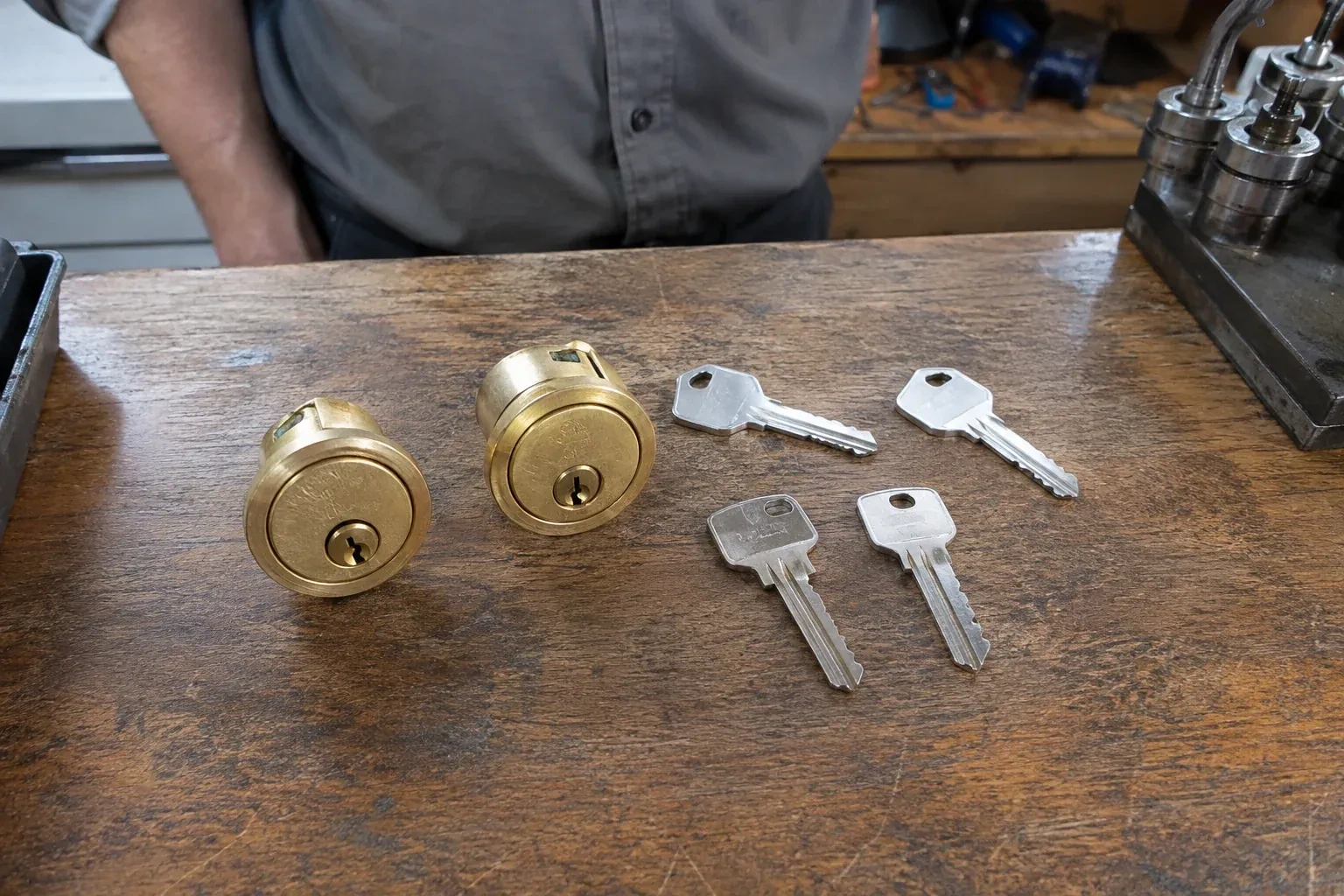
Depending on what the assessment found, the cylinder is either rekeyed, replaced with a weather-rated unit, or decoded so a fresh key can be cut to match it. Rekeying removes the existing pin combination and sets a new one, so old keys stop working while the same housing stays on the gate. A full replacement suits a housing that is worn, pitted or the wrong grade for outdoor use. Either way, the new or updated cylinder is cycled repeatedly with the new key, from both sides where the hardware has two, before it is considered finished.
Hardware set up to last outdoors
Anything replaced or adjusted during the visit is chosen and finished for life outside: corrosion-resistant fasteners, a cylinder rated for weather exposure, and a lubricant matched to whatever the cylinder maker specifies for it, since the wrong product collects grit and gums up in the cold. A light coat of that lubricant at the interval the maker recommends, worked through with the key a few times, keeps a cylinder turning smoothly well beyond what the hardware would otherwise manage sitting exposed at a gate or a street-facing door.
Gate & Building Entry Locks
In the van
- Strike plates and keepers
- Gate and door closers
- Keyed-alike cylinders
- Gate locks and latches
- Cylinder decoder and pick set
What affects the quote
Same fees day, night or weekend
1Any upgrade chosen while the locksmith is already there
Some property owners use the visit to move to a heavier closer, an electric strike, a master key system or additional padlocks for other gates. None of this is required to address the original problem; each option is priced as a separate line.
2Any damage from a prior forced entry
Where pry marks, a bent strike or a cut hasp are found, repairing or replacing that damaged hardware is additional to a routine lock adjustment, and the locksmith points out what was already there before quoting it.
3Time of year and weather on the day
A cylinder frozen solid or a closer stiffened by cold takes patient work before adjustment or replacement can even begin, so a call made during a cold snap is quoted with that extra time in mind.
Gate & Building Entry Locks: questions
Who is allowed to ask for a rekey on a shared building entry?
Because a shared entry serves more than one household, the locksmith looks for someone with authority over the whole door: an owner, a landlord, a property manager or a condo board, rather than any single resident acting alone. An individual tenant can usually request work on their own unit's door without issue, but changing the lock everyone in the building relies on to get in is treated as a decision for whoever manages the property, with current residents given new keys once it is done.
What should I have ready before the locksmith arrives?
It helps to know which gate or door is affected, roughly how old the lock or closer is, and what exactly is happening: dragging, slamming, refusing a key, or a buzzer that stopped releasing the door. If the entry is shared, a rough idea of how many households or units currently need a working key speeds up the visit considerably. For a building entry, having contact information for a property manager or condo board on hand is useful if a decision needs their sign-off.
Why does my gate lock stick every winter?
The usual cause is meltwater getting into the keyway during a thaw and refreezing overnight, which stiffens the plug or blocks it outright, along with cold thickening any grease left inside from the factory. Road salt tracked onto ground-level hardware adds corrosion on top of that. A cylinder treated with the lubricant its maker specifies, kept clear of standing water, generally handles a winter far better than one left as it came, and a weather-rated replacement, kept up the same way, holds up better once the current one is pitted.
Change or Rekey Locks
Gate & Building Entry Locks near you
These are the services we bring to doors across Lundy's Lane. Residential work covers lockouts, rekeying, lock replacement, deadbolts, smart locks and older hardware brought back to life. Commercial work covers storefront doors, exit devices, closers, master keys and safes. Vehicle key cutting rounds out the list when it is needed.